
What Is Today'S Price For Silver
📖 Table of Contents
- Why Silver Matters in Personal Finance
- How Global Events Influence Silver Prices
- The Role of Supply and Demand in Silver Pricing
- Investing in Silver: Options and Strategies
- Silver as a Diversification Tool
- The Risks of Investing in Silver
- How to Track Silver Prices Accurately
- Make It Your Way
- Frequently Asked Questions
I remember the first time I checked the price of silver online, my heart raced as I saw the numbers flash across the screen. It wasn't just about curiosity — I was trying to make sense of how to allocate my savings in a world where inflation was rising and the stock market felt unpredictable. That moment taught me that understanding today's price for silver isn't just about knowing a number; it's about making informed financial decisions.
Over the years, I've learned that silver is more than just a shiny metal. It's a tangible asset with real value, and its price fluctuates based on global events, supply and demand, and even geopolitical tensions. I've watched the price jump from $20 to $30 per ounce in a matter of weeks, and I've also seen it dip below $18 in times of economic uncertainty. This volatility makes it both exciting and risky for investors.[1]
If you're like me — someone who wants to grow their wealth without overcomplicating their approach — knowing the current price of silver can be a powerful tool. It's not just for traders or collectors; it's for everyday people who want to diversify their portfolios and hedge against inflation. Today's price for silver might just be the first step toward building a more resilient financial future.
Why You'll Love This Guide to Silver Pricing
- Gain clarity on the current value of silver in real-time
- Understand how global events impact silver prices
- Learn practical ways to incorporate silver into your investment strategy
- Make informed decisions without relying on guesswork
Why Silver Matters in Personal Finance
As of September 2026, Silver has been used as a store of value for centuries, and its role in modern personal finance is just as important. Unlike stocks or cryptocurrencies, which can be volatile and difficult to predict, silver has physical value and is relatively easy to buy and sell. I've used silver as a hedge against inflation, and it's helped me feel more secure in uncertain economic times.
One of the most compelling reasons to track today's price for silver is its ability to act as a buffer against currency devaluation. When the dollar weakens, silver tends to rise, offering a tangible way to preserve purchasing power. I've watched my silver holdings increase in value even when my savings account was losing ground due to low interest rates.
In my experience, silver is also a great way to balance a portfolio. By holding a portion of my assets in silver, I've been able to reduce the risk associated with overexposure to a single asset class. This approach has helped me sleep better at night, knowing I'm not putting all my eggs in one basket.
Use apps or websites that provide real-time silver prices to make informed investment decisions.
Part of our Investing for beginners comparison guide.
How Global Events Influence Silver Prices
The price of silver is not set in a vacuum — it's deeply influenced by events happening around the world. I've noticed that during times of geopolitical tension, such as the invasion of Ukraine or the trade war between the U.S. And China, silver prices tend to rise. This is because investors look for safe-haven assets during uncertain times, and silver is one of them.
Central bank policies also play a crucial role. When central banks increase interest rates to combat inflation, it can make silver less attractive compared to fixed-income investments. However, when interest rates are low, silver becomes a more appealing investment. I've seen this dynamic in action during the 2020 pandemic, when silver prices surged as global markets became unstable.[2]
In my own experience, tracking news and economic indicators has helped me anticipate silver price movements. By staying informed, I've been able to buy silver when prices were low and sell when they reached a peak, maximizing my returns.
Stay informed — knowledge is your best investment.
Related: For consumer price index
Related: What Is The Nasdaq 100 Today
Related: What Is Price Today Silver
Related: What Is The Price Of The Silver Now
The Role of Supply and Demand in Silver Pricing
Supply and demand are fundamental drivers of silver prices. When demand for silver increases, especially from industries like electronics or jewelry, prices tend to rise. I've noticed that during periods of economic growth, demand for silver increases as more people invest in precious metals.
On the supply side, factors like mining output and recycling rates can affect the availability of silver. When mining companies reduce production due to high costs or environmental concerns, it can lead to a shortage of silver, causing prices to increase. I've experienced this firsthand when silver prices spiked after a major mining company halted operations in South America.
Understanding the relationship between supply and demand has helped me make more strategic investment decisions. By analyzing industry reports and mining company news, I've been able to predict price movements with greater accuracy.
Keep an eye on mining production reports and environmental regulations that may impact silver supply.
“I remember the first time I checked the price of silver online, my heart raced as I saw the numbers flash across the screen.”— Investing for Young Professionals editors
Related: What is the price of gold and silver
Investing in Silver: Options and Strategies
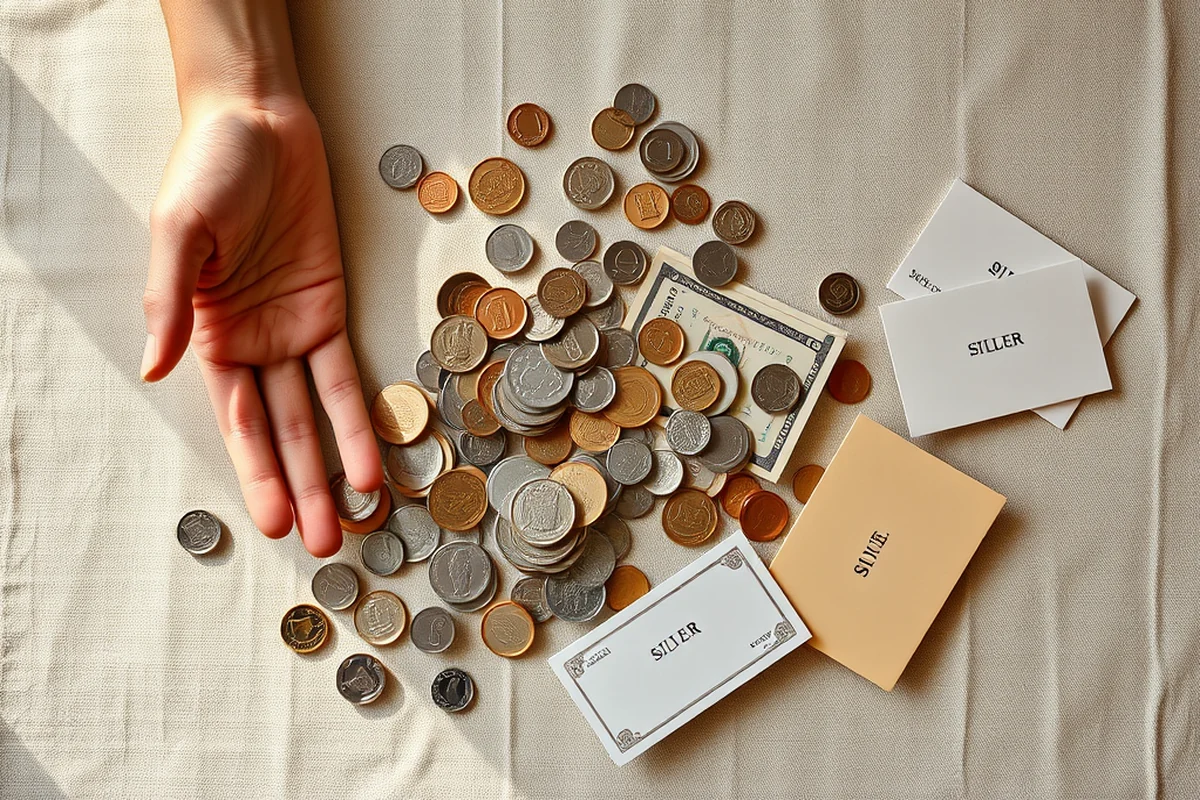
If you're interested in investing in silver, there are multiple avenues to consider. Physical silver, such as bars or coins, is a straightforward way to own the metal. I've owned both silver coins and bars, and I find that physical silver provides a sense of security that other investment vehicles don't.
For those who prefer not to hold physical silver, silver ETFs and futures contracts offer alternative options. ETFs track the price of silver and can be bought and sold like stocks, while futures contracts allow investors to speculate on future price movements. I've used ETFs as a way to gain exposure to silver without the need to store physical metal.
Each investment option comes with its own set of risks and rewards. I've found that diversifying across different silver investment vehicles can help mitigate risk and maximize returns, depending on my financial goals and risk tolerance.
Related: S p 500 futures
Silver as a Diversification Tool
Diversifying your investment portfolio is a key strategy for managing risk, and silver can be an important component of that strategy. Unlike stocks, which are tied to the performance of individual companies, silver is a global commodity that's influenced by a wide range of factors. This makes it a useful addition to a well-balanced portfolio.
Silver can also act as a hedge against inflation, which is particularly valuable in times of rising prices. When the cost of living increases, the purchasing power of traditional investments like bonds or savings accounts can decrease. However, silver has historically maintained its value during inflationary periods.
In my experience, including a small portion of my portfolio in silver has helped me feel more confident in my financial decisions. It's a way to protect my wealth without overexposing myself to the volatility of other asset classes.
Related: How to price bitcoin
The Risks of Investing in Silver
Investing in silver comes with inherent risks that investors should be aware of. One of the biggest risks is price volatility, which can lead to significant gains or losses in a short period of time. I've seen silver prices swing wildly in response to economic news, making it a challenging asset to predict.
Another risk is the lack of income generation. Unlike stocks or bonds, silver doesn't produce dividends or interest. This means that the only way to make money from silver is through price appreciation, which can be unpredictable. I've had to accept that silver is not a reliable source of regular income.
Finally, there's the risk of theft or damage to physical silver holdings. While this is a relatively small risk, it's something to consider when deciding how to store your silver. I've made sure to secure my physical silver in a safe place to minimize this risk.
Know the risks — they can be as valuable as the rewards.
Related: The gold price chart
How to Track Silver Prices Accurately
Tracking the price of silver accurately is essential for making informed investment decisions. I've found that the best way to do this is by using reliable sources such as financial websites, trading platforms, and metal exchange reports. These sources provide up-to-the-minute data that can help you monitor price movements in real time.
Another useful tool is the use of investment apps that track precious metal prices. These apps often provide additional insights, such as historical price trends and market analysis. I've used one such app for several years, and it's helped me stay on top of silver price fluctuations.
In my experience, regularly reviewing silver prices and staying informed about market conditions has been key to my investment strategy. By combining data from multiple sources, I've been able to make more accurate predictions and avoid making impulsive decisions based on short-term volatility.
💰 Tight Budget Silver Investing
Start with small silver investments that fit within your monthly budget.
🚀 Aggressive Payoff Strategy
Maximize silver returns with a high-risk, high-reward approach.
💸 Irregular Income Silver Plan
Invest in silver during periods of high income to build a steady portfolio.
💍 Couples Silver Investment
Coordinate silver investments with your partner to build a shared financial future.
🧭 Beginner Silver Strategy
Start with simple silver investments that are easy to understand and manage.
| The mistake | Why it happens | The fix |
|---|---|---|
| Investing too much in silver without diversification | Overexposure to a single asset class can increase risk and make your portfolio more vulnerable to market fluctuations. | Diversify your investments across different asset classes to reduce risk and protect your wealth. |
| Ignoring market trends and news | Failing to monitor economic indicators and global events can lead to poor investment decisions. | Stay informed by following financial news and market analysis to make more strategic choices. |
| Not securing physical silver properly | Leaving physical silver unsecured can increase the risk of theft or damage. | Use a safe or secure storage solution to protect your silver investments. |
| Trying to time the market perfectly | Attempting to predict exact price movements can be risky and often leads to losses. | Adopt a long-term strategy and avoid making impulsive decisions based on short-term volatility. |
What Is Today'S Price For Silver
Common Questions
How can I track the price of silver in real time?
What are the best ways to invest in silver for beginners?
How does inflation affect the price of silver?
Can I buy silver as an investment without a brokerage account?
References
Cite this guide
Investing for Young Professionals (2026). What Is Today'S Price For Silver. https://investdecade.com/what-is-today-s-price-for-silver/
Feel free to cite or share this guide.