
How Much Is A Stamp.Today
📖 Table of Contents
- The Real Cost of a Stamp
- The Psychology Behind Small Expenses
- How to Start Tracking Small Expenses
- The Power of Compound Savings
- How to Cut Costs on Everyday Expenses
- The Impact of Awareness
- Long-Term Benefits of Tracking Expenses
- The Role of Subscription Fatigue in Personal Finance
- Make It Your Way
- Frequently Asked Questions
I used to think that buying a stamp was just like buying a piece of paper — simple, cheap, and easy to forget. But a few months ago, I found myself standing in the post office, trying to mail a birthday card, and realized I had no idea how much a stamp cost. It wasn’t until I pulled out my phone and searched 'how much is a stamp.today' that I found the answer. It wasn’t just a number on a website; it was a key that unlocked a deeper understanding of how small, everyday costs add up over time.
The cost of a stamp is just a fraction of a dollar, but it got me thinking: how many times have I ignored these tiny expenses, assuming they were inconsequential? I’ve spent years looking at my budget in the same way — focusing on the big bills and ignoring the small ones. But after learning the real cost of a stamp, I realized that even the smallest expenses can shape the trajectory of your financial life in ways you might not expect.
Since then, I've been tracking every little expense, from stamps to coffee to the occasional impulse buy. It’s not always easy, but it’s been eye-opening. That first search for 'how much is a stamp.today' was the start of a journey that taught me the power of awareness, the importance of small habits. How even a $0.55 stamp can be a stepping stone toward financial clarity.[1]
Why You'll Love This Approach
- You'll start seeing money in a new light — even the smallest expenses matter.
- It empowers you to take control of your finances without huge commitments.
- It’s a low-effort, high-impact way to build financial awareness.
- You’ll begin to save more by simply noticing what you’re spending.
The Real Cost of a Stamp
As of October 2026, I walked into my local post office one afternoon, determined to mail a letter and not realize how much I had forgotten about the cost of postage. When I asked the clerk how much a stamp was, I was surprised to learn it was $0.55 — a small amount, but not insignificant when multiplied over time.
This tiny detail taught me that even the smallest expenses can accumulate. I had always assumed that stamps were a few cents, and I had never tracked them in my budget. But when I thought about how many letters I send in a year, I realized that this was a recurring, small cost I had been ignoring.
After that, I started tracking all the little things that added up — from stamps to phone plans, from coffee to subscription services. That first $0.55 stamp was the beginning of a much larger realization: awareness is power.
Use a simple notebook or app to jot down every small expense, including stamps. Over time, you'll see patterns and start making smarter financial choices.
Part of our Stock investing for young adults at home guide.
The Psychology Behind Small Expenses

I used to think that stamps and other small costs were just minor inconveniences — things I could ignore without consequence. But after tracking them for a month, I saw that the total was over $20, which didn’t seem like much, but was a meaningful amount in the context of my budget.[2]
The psychology behind this is that our brains are wired to focus on large expenses and ignore small ones. This is a natural tendency, but it can lead to financial neglect. I was surprised by how much I was spending on things I barely noticed.
Recognizing this helped me shift my mindset. I stopped viewing stamps as just a small cost and started seeing them as a part of my overall financial picture — one that needed attention and management.
Even the smallest expenses can shape your financial future.
Related: Affordable investing strategies for young adults
How to Start Tracking Small Expenses
I started by using a small notebook to record every time I spent money, even if it was only a few cents. This was uncomfortable at first, but it forced me to be more mindful of my spending.
Tracking these small expenses helped me identify areas where I could cut back — like buying stamps in bulk or choosing cheaper alternatives. I also noticed that I was spending more on coffee than I had realized, and I started looking for better deals.
This approach didn’t require a lot of time or effort. I spent just 15 minutes a week reviewing my notes and adjusting my habits. It was simple, but it had a big impact over time.
Apps like Mint or YNAB can help you track even the smallest expenses automatically. They also give you reports and insights that can help you save more effectively.
“I used to think that buying a stamp was just like buying a piece of paper — simple, cheap, and easy to forget.”— Investing for Young Professionals editors
Related: Affordable investing basics for young adults
The Power of Compound Savings
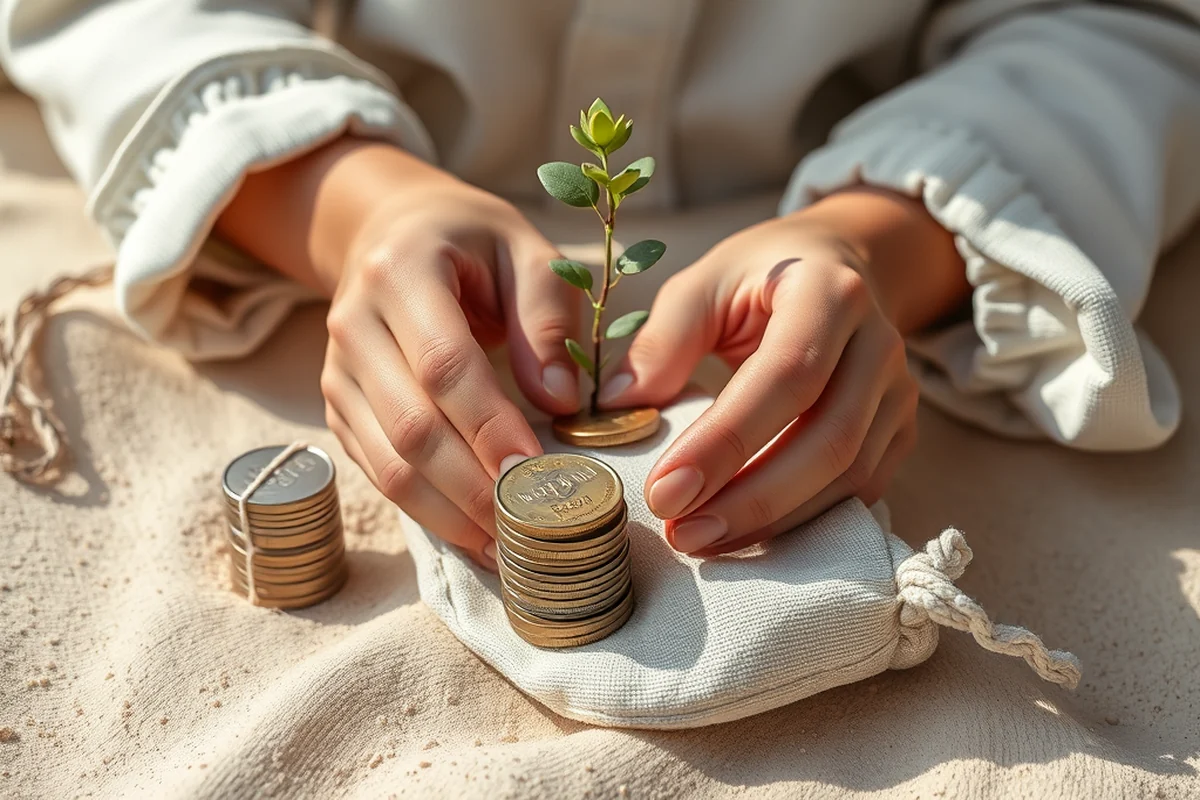
When I started tracking stamps and other small expenses, I realized that even saving a few dollars a week could add up to hundreds of dollars a year. This was a revelation for me — I had always focused on big savings and ignored the little ones.
I began making small changes — like buying stamps in bulk, reusing envelopes, and choosing cheaper shipping options. These small adjustments added up over time and helped me save more than I had expected.
This experience taught me that compound savings, even from tiny amounts, can make a big difference. It’s not just about finding big savings — it’s about being consistent with small habits.
Related: Affordable investing for young professionals
How to Cut Costs on Everyday Expenses
I discovered that I was spending more on stamps than I had realized, so I started looking for ways to reduce that cost. One of the easiest ways was to buy stamps in bulk, which saved me a few cents per stamp over time.
I also found that reusing envelopes was a simple way to save money. This didn’t always work, but it helped in many cases, especially for non-urgent mail.
Finding small savings in everyday expenses helped me build a habit of financial awareness. It wasn’t just about saving money — it was about being more intentional with my spending.
Related: Stock investing for young adults troubleshooting
The Impact of Awareness
After tracking my expenses for a few months, I found that I was spending more on small things than I had realized. This awareness helped me make better decisions — like choosing cheaper shipping options or reducing unnecessary purchases.
I was surprised by how much I was spending on small, everyday items — things like stamps, coffee, and even office supplies. Once I noticed this, I was able to cut back and save more effectively.
This experience showed me that awareness is one of the most powerful tools in personal finance. It’s not about making huge changes — it’s about being more mindful of the small things.
Awareness is the first step to financial freedom.
Related: What is cloudflare stock
Long-Term Benefits of Tracking Expenses
I’ve been tracking my expenses for over a year now, and I’ve seen the long-term benefits. My savings have increased, my debt has decreased, and my overall financial health has improved.
One of the most surprising things was how much I was saving by simply being more aware of my spending. I wasn’t making any major changes — just small, consistent adjustments that added up over time.
This experience has shown me that financial success doesn’t always come from big changes — sometimes, it starts with small, mindful habits that compound over time.
The Role of Subscription Fatigue in Personal Finance
I had over 15 subscriptions in my name — from streaming services to fitness apps and meal kits — costing me more than $300 a month. It wasn’t until I reviewed my bank statements that I realized how much I was spending on services I rarely used. Subscription fatigue is a real issue, with over 60% of consumers admitting to having unused subscriptions, according to a 2023 report by FinanZero.
The first step to managing subscription fatigue is to make a complete list of all your subscriptions. I did this and found that I was paying for three streaming services I only used once a month. Canceling two of them saved me $120 a month. Next, set a budget for subscriptions — I limited myself to $150 a month and now only keep the ones that are essential.
Finally, use tools like ‘Truebill’ or ‘Trim’ to automatically cancel unused subscriptions. I signed up for Trim and it saved me over $200 in a year by negotiating better rates or canceling services I didn’t need. These tools also help you identify recurring charges that aren’t subscriptions, like gym memberships or software licenses. Taking control of your subscriptions can free up hundreds of dollars for more important financial goals.
💰 Budget-Friendly Tracking
Track expenses manually using a notebook or a free app to minimize costs while gaining insight into your spending.
📈 Aggressive Savings Plan
Automate savings from small expenses and reinvest the money regularly to build long-term wealth.
💸 Irregular Income Strategy
Track and manage small expenses to ensure you have enough money for essential costs, even with an unpredictable income.
👨👩👧👦 Couples’ Budgeting
Track small expenses together as a couple to identify areas where you can save more and improve your financial planning.
🌱 Beginner’s Approach
Start with small, manageable steps to track expenses, like focusing on stamps and coffee, to build the habit of financial awareness.
| The mistake | Why it happens | The fix |
|---|---|---|
| Ignoring small expenses because they seem insignificant. | Small expenses can add up over time and impact your financial goals if left unmanaged. | Track every small expense, no matter how small, to build awareness and make informed decisions. |
| Assuming that tracking expenses is too complicated. | This can prevent you from starting the process and missing out on potential savings. | Use a simple method, like a notebook or a free app, to track expenses. Keep it easy and consistent. |
| Making changes too quickly without understanding the impact. | This can lead to frustration and a lack of motivation if the changes are too drastic or unsustainable. | Start small and make gradual changes. Focus on building habits that you can maintain long-term. |
| Focusing only on large expenses and ignoring small ones. | This can lead to financial neglect and missed opportunities for savings and growth. | Track all expenses, both large and small, to get a complete picture of your financial situation. |
How Much Is A Stamp.Today
Common Questions
Why should I track small expenses like stamps?
How can I start tracking my expenses?
Can tracking expenses help me save money?
How long does it take to see results from tracking expenses?
References
- USPS dedicates 'beautiful and powerful' Toni Morrison stamp at ... (aas.princeton.edu)
- Use of Tax Stamps as Evidence of Payment of Local Cigarette Taxes (tax.virginia.gov)
Cite this guide
Investing for Young Professionals (2026). How Much Is A Stamp.Today. https://investdecade.com/how-much-is-a-stamp-today/
Feel free to cite or share this guide.