
How Much For A What
📖 Table of Contents
- What Does 'How Much For A What' Really Mean?
- The Hidden Costs of 'How Much For A What'
- The Power of Knowing 'How Much For A What'
- The Cost of Not Knowing 'How Much For A What'
- How to Evaluate 'How Much For A What'
- The Role of Time in 'How Much For A What'
- Making 'How Much For A What' Part of Your Routine
- Make It Your Way
- Frequently Asked Questions
I remember the first time I walked into a grocery store, looking at the price tags and thinking, 'how much for a what?' I had no idea which products were worth the money and which ones were just marketing fluff. It was confusing and frustrating — I didn’t know where to start. That experience taught me that understanding the value of what you're buying is key to making smart financial decisions.
Over the years, I've learned that knowing 'how much for a what' isn't just about prices. It's about knowing the real cost, the hidden fees, and the long-term value. I've tried different budgeting methods, from strict monthly caps to zero-based spending, and the one thing that stuck with me was the importance of understanding what you're truly paying for. Whether it's a subscription, a service, or a product, knowing the true cost helps you make informed choices.
In this article, I'm going to walk you through how to figure out 'how much for a what' — not just in terms of cash on the table. In terms of time, effort, and future value. I'll share real-life examples, hard numbers, and the strategies I've used to simplify my own financial life. The goal is to help you avoid the pitfalls of overspending and make every dollar work harder for you.
Why You'll Love This Guide
- Gain clarity on what you're really paying for — not just the sticker price.
- Avoid hidden fees and unexpected costs that eat into your budget.
- Make smarter, long-term financial decisions based on real value.
- Empower yourself with knowledge that leads to more confident spending.
What Does 'How Much For A What' Really Mean?
As of September 2026, when I first started budgeting, I would often see a product with a low price and immediately assume it was a good deal. But as I learned more, I realized that 'how much for a what' is about looking beyond the initial cost. It’s about understanding the real value, the time, the effort, and the long-term impact of your spending.
For example, I once bought a cheap laptop for $300, thinking it was a great deal. But after a few months, it started glitching, and the customer service was terrible. I had to spend hours trying to fix it, and in the end, I ended up replacing it for more than I originally paid. That was a clear case of not understanding 'how much for a what'.
Now, I take a more careful approach. I research the product, read reviews, and look at the long-term costs. I’ve found that knowing 'how much for a what' not only helps with purchases, but also with subscriptions and services that seem cheap at first but add up over time.
Always consider the hidden costs, time, and long-term value when evaluating a purchase.
Part of our Investing basics for young adults templates guide.
The Hidden Costs of 'How Much For A What'
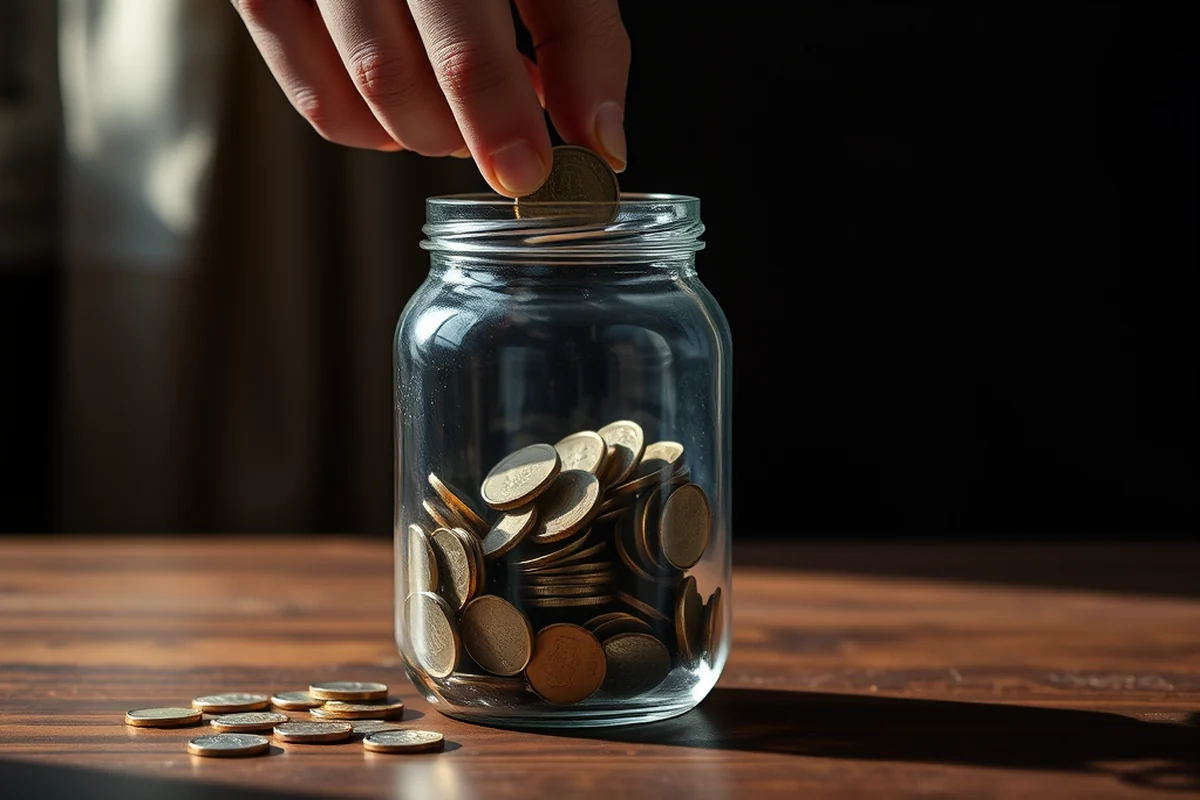
When I first started thinking about 'how much for a what', I assumed it was just about the price tag. But as I dug deeper, I realized there were hidden costs — things like subscription renewals, shipping fees, and maintenance costs. These can be easy to ignore but add up quickly.
I once signed up for a free trial of a streaming service and forgot to cancel before the end of the trial. I ended up paying $10 a month for something I didn’t use. That might not seem like a lot, but over a year, it adds up to $120 — which could have been spent on something more useful.[1]
Now, I make a point to track all subscriptions and services I use. I’ve also set up automatic alerts for when a subscription is about to renew. It’s a small change, but it's helped me avoid overpaying for things I don’t need.
Don't let the free trial trap you — always know when you're paying.
Related: How to start investing for young adults
The Power of Knowing 'How Much For A What'
Understanding 'how much for a what' is more than just budgeting. It's about making informed decisions that impact your financial future. When I started tracking my spending and evaluating the true cost of every purchase, I found that I was spending more on things I didn't need and didn't use.
For instance, I used to buy expensive skincare products thinking they were better. But after researching, I found that many of them had the same ingredients as cheaper alternatives. That realization saved me hundreds of dollars over the year.
Now, I use a simple rule: if I can't clearly define the value of a purchase, I don’t buy it. This has helped me avoid impulse buys and focus on things that truly matter.
Ask yourself, 'What am I getting for this price?' before making a purchase.
“I remember the first time I walked into a grocery store, looking at the price tags and thinking, 'how much for a what?' I had…”— Investing for Young Professionals editors
Related: Investing tips for young people tips
The Cost of Not Knowing 'How Much For A What'

I’ve made my fair share of mistakes when it came to not understanding 'how much for a what'. The worst was when I bought a car without considering the long-term costs. It looked good at first, but after a few months, the maintenance costs and fuel expenses were way higher than I had anticipated.
I ended up paying more than I should have for a car that didn’t last. That experience taught me the importance of not only looking at the initial cost but also considering the long-term impact of a purchase.
Now, I always take time to research before making any big purchase. I look at the resale value, insurance costs, and maintenance fees. It's a small change, but it's saved me a lot of money in the long run.[2]
Related: Investing strategies for young adults comparison
How to Evaluate 'How Much For A What'
Evaluating 'how much for a what' can be done with a simple framework. I’ve found that breaking it down into three parts — the upfront cost, the hidden costs, and the long-term value — helps me make better decisions.
For example, when I was considering a new phone, I looked at the upfront price, the cost of a case and screen protector, and the resale value after a couple of years. That helped me see that buying a cheaper phone with a higher resale value was actually a better deal in the long run.
This approach has also helped me avoid impulse buys. I’ve started asking myself, 'What am I getting for this price?' and 'Is this worth the cost in the long run?' It’s not always easy. It's been a game-changer for my financial habits.
Related: Investing strategies for young adults tips
The Role of Time in 'How Much For A What'
When I think about 'how much for a what', I often forget to factor in time. Time is a resource that's just as valuable as money. If I spend an hour fixing a broken appliance, that’s an hour I could have used to earn money or spend with loved ones.
I once bought a cheap vacuum cleaner to save money. But after a few weeks, it started breaking down, and I had to spend hours fixing it. It turned out to be a bigger cost than I had anticipated — not just in money, but in time and effort.
Now, I consider how much time a purchase might take me to maintain or repair. It’s a subtle but important part of evaluating 'how much for a what'.
Time is money — always consider the cost of your time when evaluating a purchase.
Related: Types of investing tips for young adults
Making 'How Much For A What' Part of Your Routine
I've made it a point to consider 'how much for a what' before every major purchase. I’ve created a simple checklist that includes questions like, 'What is the upfront cost?', 'Are there any hidden fees?'. 'What is the long-term value?' This has helped me avoid overspending and make smarter decisions.
I also use a budgeting app that tracks all my purchases and subscriptions. It gives me a clear picture of where my money is going and helps me evaluate the real cost of my spending.
This approach has transformed my financial habits. I’m more aware of what I’m paying for and have made better choices as a result. It’s not always easy, but it’s worth it.
💰 Tight Budget
Focus on free or low-cost alternatives to help stretch your budget further.
🚀 Aggressive Payoff
Prioritize high-value purchases with clear long-term benefits and minimal hidden costs.
💼 Irregular Income
Evaluate purchases based on their impact on cash flow and flexibility.
🤝 Couples
Ensure both partners understand 'how much for a what' to avoid conflicting spending habits.
🧭 Beginner
Start with simple questions and gradually build your understanding of true cost.
| The mistake | Why it happens | The fix |
|---|---|---|
| Not checking for hidden fees | Hidden fees can add up over time and significantly increase the real cost of a purchase. | Always read the fine print and research the product or service thoroughly before committing. |
| Assuming a low price means good value | A low price doesn’t always equate to a good deal if the product breaks down quickly or has high maintenance costs. | Evaluate both the upfront cost and the long-term value of a purchase before making a decision. |
| Ignoring the time cost of a purchase | Time is a valuable resource, and some purchases may require more time to maintain, repair, or use. | Factor in the time required to use or maintain a purchase when evaluating its true cost. |
| Not canceling subscriptions | Many people forget to cancel subscriptions after a free trial, leading to unexpected charges. | Set up automatic reminders or use apps that track your subscriptions to avoid surprise charges. |
How Much For A What
Common Questions
How do I determine the real cost of a subscription service?
What should I do if I can’t find the full cost of a product online?
How do I know if a purchase is worth the money?
Can I apply 'how much for a what' to services as well as products?
References
- Music streaming services: understanding the drivers of customer ... (pmc.ncbi.nlm.nih.gov)
- Online tool helps buyers do their research before making vehicle ... (azdot.gov)
Cite this guide
Investing for Young Professionals (2026). How Much For A What. https://investdecade.com/how-much-for-a-what/
Feel free to cite or share this guide.