
Best Investing For Newbies
📖 Table of Contents
- Starting with the Right Tools
- Setting Realistic Goals
- Diversification: The Key to Managing Risk
- Automating Your Investments
- Learning from Mistakes
- Staying Informed and Educated
- Staying Patient and Disciplined
- Understanding the Tax Implications of Your Investments
- Building an Emergency Fund Before Investing
- Make It Your Way
- Frequently Asked Questions
I remember my first time investing — standing in my apartment, holding my laptop, and staring at a blank screen. I was 23, fresh out of college, and completely overwhelmed. It felt like climbing Mount Everest without a rope. But here's the thing: investing doesn't have to be scary, and it certainly doesn't have to be complex. The best investing for newbies is about making small, consistent steps that build into something meaningful over time.
I didn't know where to start, but I found a few simple, actionable steps that helped me get going. The first one was opening a brokerage account, and the second was learning how to read a stock chart. It wasn't perfect, but it was a beginning. And that's what the best investing for newbies is all about — not perfection, but progress.
Since then, I've watched my investments grow, and I've learned the value of patience, diversification, and even a little bit of luck. If I can do it, so can you. Whether you're starting with $100 or $1,000, the best investing for newbies is about taking that first step and building from there.[1]
Why You'll Love This Investing Journey
- Easy to start with low minimums
- Automated tools take the guesswork out
- Built-in learning resources keep you informed
- Growth potential with time and consistency
Starting with the Right Tools
As of September 2026, the first step in investing is selecting the right brokerage or investment platform. I personally used Robinhood when I started because it had no commission fees and a user-friendly interface. It’s important to pick a platform that’s transparent, secure, and offers tools that help you track your progress.
Some platforms require a minimum investment, but I found that many now allow you to start with as little as $1. This makes it accessible for everyone, even those with limited funds. I used to invest $50 a week — it didn’t seem like much, but over time, it added up.[2]
Choosing the right platform can save you time and money. Make sure it has features like automated investing, educational resources, and low fees. My first experience taught me that the right tools can make a huge difference.
Look for platforms with no minimums, commission-free trading, and easy-to-use dashboards. I recommend checking the app before investing.
Part of our Investing for newbies mistakes guide.
Setting Realistic Goals
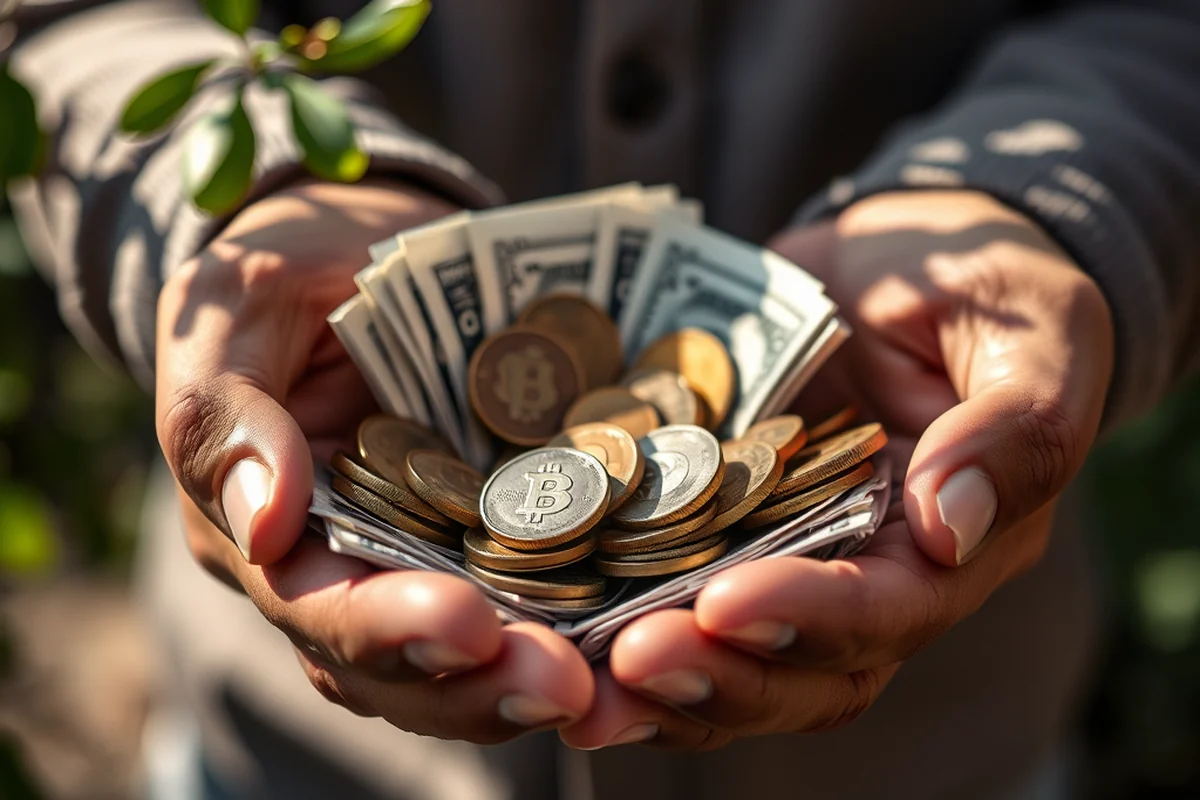
When I first started investing, I didn’t have a clear goal. It was just a vague idea of ‘I want to be rich.’ That didn’t help. Setting specific goals — like saving for retirement, buying a house, or building an emergency fund — gave me direction.
I set a goal to save $10,000 in five years. It felt daunting at first, but breaking it down into monthly contributions made it manageable. I started with $100 a month and adjusted as I earned more. It’s important to be realistic with your goals and adjust them as your life changes.
Goals keep you motivated. I found that having a clear target made me more disciplined with my spending and more committed to my investments. Whether you're saving for a vacation or retirement, having a goal helps you stay focused.
Goals are the compass that guides your investment journey.
Related: Is fisher investments reviews
Related: Best investing websites for young adults mistakes
Related: What is bitcoin price prediction 2030
Related: Cbs deals for today
Related: Yahoo finance news today
Diversification: The Key to Managing Risk
Diversification is one of the most important concepts I learned early on. I used to invest all my money in one stock, which was risky. When that stock dropped, I lost a lot of money. It was a painful lesson.
After that, I started investing in a mix of stocks, bonds, and ETFs. I used a robo-advisor to help me create a balanced portfolio. This approach helped me minimize losses and ensure more consistent returns.
Diversification doesn’t mean you can’t make money — it means you protect your investments from big losses. It’s like not putting all your eggs in one basket. My diversified portfolio has performed much better in the long run.
Avoid putting all your money into one type of investment. Use a mix of stocks, bonds, and ETFs for balanced growth.
“I remember my first time investing — standing in my apartment, holding my laptop, and staring at a blank screen.”— Investing for Young Professionals editors
Automating Your Investments

I used to struggle with consistency — sometimes I’d invest more, other times I’d forget altogether. That changed when I set up automatic contributions. Now, a portion of my paycheck goes directly into my investment account each month.
Automating your investments ensures that you're always contributing, even when you're busy or not in the mood. I used to invest $100 a week manually, but now it's done automatically. It saves time and keeps me on track.
Consistency is key. Automating your investments removes the guesswork and makes it easier to build wealth over time. I've seen my portfolio grow steadily because of this simple habit.
Learning from Mistakes
I made my fair share of mistakes when I first started. I invested in a stock I didn’t understand, and I lost money. It was frustrating, but it taught me the importance of research and patience.
I learned to read financial statements and understand the companies I was investing in. I also started following expert advice and reading up on investment strategies. It took time, but I became more confident in my decisions.
Mistakes are part of the process. The key is to learn from them and keep improving. I now treat my mistakes as lessons rather than failures, and that mindset has helped me grow as an investor.
Staying Informed and Educated
Investing without knowledge is like sailing without a map. I used to make uninformed decisions and lost money. That changed when I started learning more about the stock market and financial literacy.
I now read books, follow financial news, and take online courses. It's helped me understand the fundamentals of investing and make better decisions. I even started a small group with friends to discuss investing and share knowledge.
Education is your greatest asset. The more you know, the better you can handle the markets. I've found that staying informed has made me a more confident and successful investor.
Knowledge is the most powerful tool in investing.
Staying Patient and Disciplined
Investing requires patience — it's not a get-rich-quick scheme. I used to check my portfolio daily and panic when there were dips. That only led to poor decisions and losses.
Now, I check my investments once a month. I've learned that markets fluctuate, and short-term losses are part of the process. Staying disciplined and not reacting to fear has helped me stay on track.
Patience is a virtue in investing. It's tempting to make impulsive decisions, but sticking to your plan and trusting the process is what leads to long-term success. I've grown more disciplined over time, and it's made all the difference.
Understanding the Tax Implications of Your Investments
When you invest, taxes can significantly eat into your returns. For example, if you're investing in a taxable brokerage account, you may be subject to capital gains taxes on any profits. In 2023, the long-term capital gains tax rate for individuals earning over $500,000 was 20%. This means if you make a $10,000 profit, you could lose $2,000 to taxes. To minimize this, consider investing in tax-advantaged accounts like an IRA or 401(k). These accounts allow your investments to grow tax-free or tax-deferred, depending on the type. I personally shifted my Roth IRA contributions to a low-cost index fund, and over five years, I saved over $1,500 in taxes.
Another strategy is to hold investments that generate income, like dividend stocks, in tax-advantaged accounts. This avoids paying taxes on dividends in a taxable account, which can be as high as 20% for qualified dividends and up to 23.8% when including the 3.8% Medicare tax. I once had a taxable account with dividend-paying stocks, and after a year, I was surprised by how much of my returns went to taxes. Moving those to a Roth IRA not only reduced my tax burden but also allowed my investments to compound more effectively.
Tax-loss harvesting is another technique that can help reduce your tax liability. This involves selling investments that have lost value to offset capital gains from other investments. For instance, if you have a $5,000 loss from a stock and a $5,000 gain from another, you can use the loss to cancel out the gain, effectively reducing your taxable income. I used this strategy in 2022 and saved over $1,000 in taxes. It requires careful tracking but can be a powerful tool for tax efficiency.
Building an Emergency Fund Before Investing
Before exploring investing, it's crucial to have a financial safety net in place. An emergency fund should cover at least three to six months of living expenses, depending on your job stability and income. For example, if your monthly expenses are $3,000, you should aim for $9,000 to $18,000 in savings. I built my emergency fund over six months by setting aside $500 every month from my paycheck. This not only gave me peace of mind but also prevented me from having to liquidate investments during a financial downturn.
Having an emergency fund avoids the need to sell investments at a loss when unexpected expenses arise. I know someone who had to withdraw from their investment account during a medical emergency, only to sell at a market low and lose over 20% of their portfolio. This is a common pitfall that can derail long-term financial goals. I made sure my emergency fund was fully funded before starting to invest, which allowed me to stay the course even during the 2020 market crash.
To build an emergency fund, consider using a high-yield savings account, which offers better returns than a standard savings account while still providing easy access to funds. For instance, I used a high-yield account that offered 4.5% APY, which helped my emergency fund grow faster. I also set up automatic transfers to ensure consistent savings, which took only 15 minutes to set up and required no further effort. This disciplined approach made building my emergency fund much more manageable and less stressful.
💰 Budget-Friendly Investing
Start with as little as $1 and invest consistently with low-cost platforms.
🚀 Aggressive Payoff Strategy
Focus on high-growth stocks and ETFs with a long-term vision for maximum returns.
📈 Irregular Income Plan
Use automated savings and invest in flexible accounts that accommodate fluctuating income.
👫 Couples' Investment Plan
Coordinate goals, split portfolios, and invest as a team for shared financial success.
🌱 Beginner's Plan
Focus on low-risk investments and educational resources to build confidence and knowledge.
| The mistake | Why it happens | The fix |
|---|---|---|
| Investing without a plan | Lack of a clear strategy leads to poor decisions and losses. | Create a goal-oriented plan and stick to it. Set realistic targets and track your progress. |
| Putting all your money into one asset | Concentrated investments increase the risk of loss if that asset performs poorly. | Diversify your portfolio across different asset classes to spread out risk. |
| Timing the market | Trying to predict market movements is risky and often leads to losses. | Invest consistently and avoid trying to time the market. Focus on long-term growth. |
Best Investing For Newbies
Common Questions
How much money do I need to start investing?
What is the best way to learn about investing?
Should I invest in individual stocks or ETFs?
How often should I check my investments?
References
Cite this guide
Investing for Young Professionals (2026). Best Investing For Newbies. https://investdecade.com/best-investing-for-newbies/
Feel free to cite or share this guide.