
What'S The Value Of Silver Coins
📖 Table of Contents
- What’s the Actual Value of a Silver Coin?
- How to Determine the Worth of Your Silver Coins
- The Role of Silver Coins in a Diversified Portfolio
- Buying Silver Coins: Where to Start
- Silver Coins vs. Other Precious Metals
- The Risks of Investing in Silver Coins
- The Best Practices for Storing and Managing Your Silver Coins
- The Impact of Market Volatility on Silver Coin Value
- Make It Your Way
- Frequently Asked Questions
I remember the first time I held a silver coin in my hands. It was a one-ounce American Silver Eagle, and I was struck by how heavy it felt in my palm—like holding a small piece of history. I had no idea then that silver coins could be more than just a collectible; they could be a tangible way to diversify my investments. I was 27, working as a junior analyst, and I was just starting to learn about personal finance, but I had no clue how to approach precious metals.[1]
Over the next few years, I experimented with different investment vehicles—stocks, mutual funds, even cryptocurrency—but nothing felt as concrete or grounded as silver coins. I wanted something physical, something I could see and touch. I also wanted something that could hedge against inflation, which I was beginning to understand was a real threat to my long-term financial security. That’s when I really started digging into what’s the value of silver coins, and I found out just how much they can add to a well-rounded portfolio.
What’s the value of silver coins? That’s a question that’s been on my mind for years, and it’s one that I still ask myself every time I consider adding to my silver holdings. I’ve learned that the answer isn’t simple—it depends on factors like the coin’s weight, the market price of silver, and the coin’s collectibility. But if you’re like me, someone who values both financial security and tangible assets, silver coins might just be the missing piece of your financial puzzle.
Why You'll Love This Guide to Silver Coins
- Understand the tangible value of silver coins beyond their face value.
- Learn how to assess the true worth of different types of silver coins.
- Discover the role silver plays in a diversified investment portfolio.
- Get practical insights on where and how to buy silver coins.
What’s the Actual Value of a Silver Coin?
As of October 2026, the intrinsic value of a silver coin is determined by the current market price of silver multiplied by the coin’s weight. For example, a one-ounce silver coin valued at $25 per ounce would be worth at least $25 on the open market, but often more if it’s a rare or collectible piece. ($27.09, dfpi.ca.gov)[2]
I’ve sold a few silver coins on eBay, and I found that the collectibility of the coin—like the year it was minted or the mint mark—can significantly increase its value. A 1921 Morgan silver dollar, for example, might be worth hundreds of dollars more than its intrinsic silver content. ($185,842, justice.gov)[3]
So when you’re thinking about what’s the value of silver coins, don’t just look at the face value or the silver price—consider the coin’s collectibility, rarity, and demand.
Research the year, mint mark, and any unique features of the coin to determine its collectible value.
Part of our Investing for kids tips guide.
How to Determine the Worth of Your Silver Coins
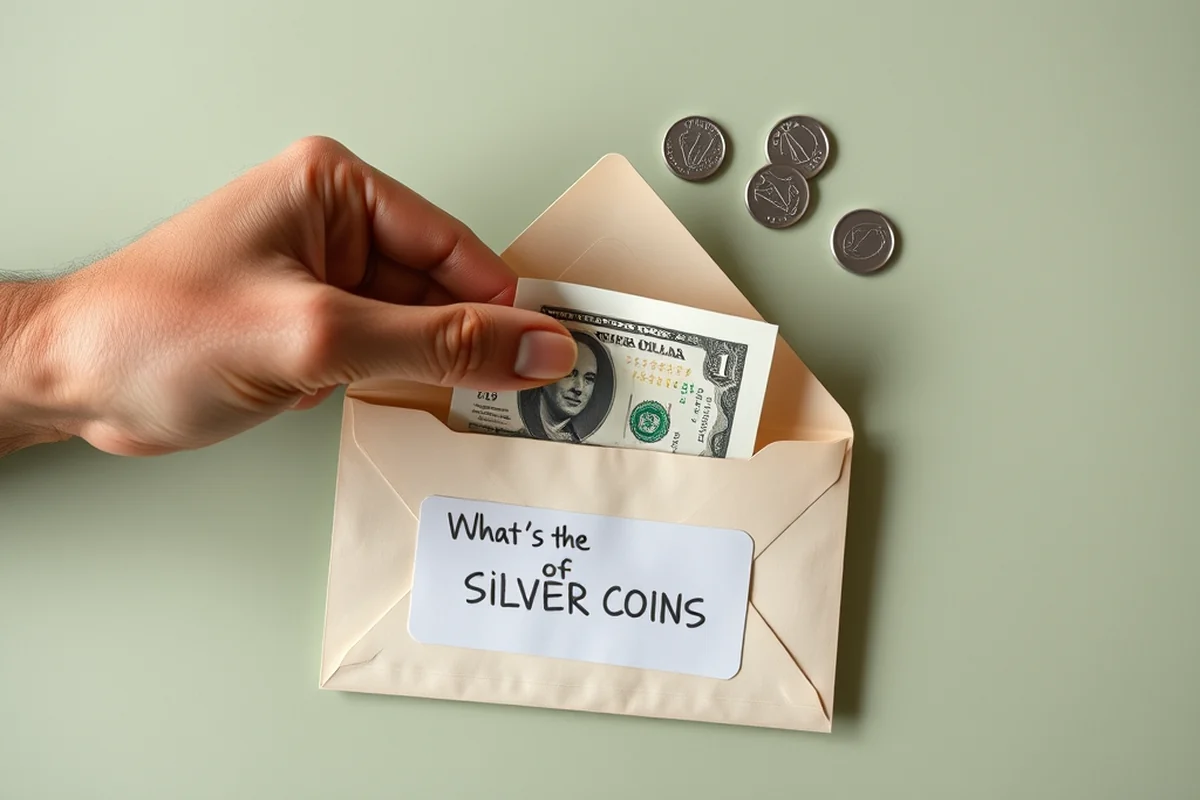
I’ve used a few online price guides, and they’re surprisingly accurate. Sites like SilverPrices.com or PCGS Coin Price Guide give you an estimate based on the coin’s type, weight, and condition.
I once took a collection of silver coins to a local coin shop, and the appraiser gave me a much higher valuation than I expected. It turns out that some of my coins were from limited editions or had mint errors, which made them valuable.
If you’re new to the world of silver coins, take the time to study the factors that influence their value. This knowledge will help you make smarter investment decisions.[4]
Don’t underestimate the power of a coin’s story.
Related: Gasbuddy gas prices
The Role of Silver Coins in a Diversified Portfolio
Silver has historically performed well during times of economic uncertainty. Inflation tends to erode the value of paper money, but silver, being a physical commodity, can hold its value better.
I’ve kept a portion of my investment portfolio in silver coins for several years now, and I’ve noticed that when the stock market dips, the value of my silver holdings often rises.
Including silver coins in your portfolio can provide a buffer against both inflation and market downturns. It’s a way to diversify and protect your wealth.
Store your silver coins in a safe, fireproof, and waterproof container to protect them from damage or theft.
“I remember the first time I held a silver coin in my hands.”— Investing for Young Professionals editors
Related: Silver spot price today apmex
Buying Silver Coins: Where to Start
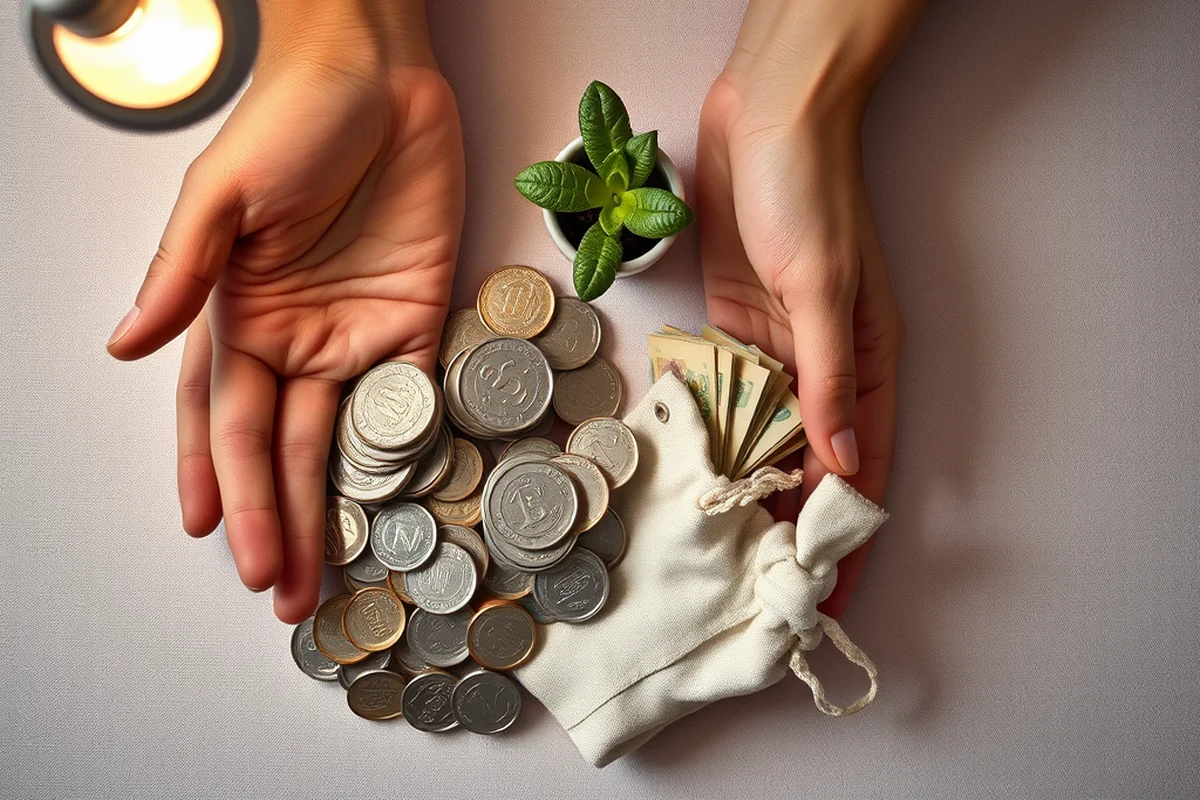
I’ve bought silver coins from both online dealers and local coin shops. Online platforms like APMEX or Silver.com are great for finding a wide selection of coins, while local shops can offer personalized advice and the chance to inspect the coins in person.
I once purchased a set of 1-ounce silver eagles from a local dealer, and the experience was better than I expected. He gave me a detailed breakdown of each coin’s value and helped me choose which ones to buy.
When buying silver coins, always check the seller’s reputation and ensure that the coins are guaranteed to be authentic. This will help you avoid counterfeit coins or scams.
Related: Kitco precious metal prices today
Silver Coins vs. Other Precious Metals
Silver is generally less expensive than gold, making it a more accessible option for investors. However, its price can be more volatile, which means its value can fluctuate more rapidly.
I’ve noticed that silver tends to be more sensitive to economic changes than gold. During periods of high inflation, for example, silver prices can spike quickly, but they can also drop just as fast.
If you’re looking for a long-term investment, gold might be a better option. But if you want something with more short-term potential and lower entry costs, silver could be the way to go.
Related: What is spot silver price
The Risks of Investing in Silver Coins
Like any investment, silver coins carry risks. One of the biggest is market volatility. If the price of silver drops suddenly, you could lose a significant amount of value.
I’ve seen silver prices drop by over $10 per ounce in a matter of weeks, which can be frustrating for investors who are not prepared for such swings.
Also, silver coins may be harder to sell quickly than other assets like stocks or mutual funds. This lack of liquidity can be a problem if you need cash quickly.
Silver can shine, but it can also tarnish.
Related: Silver dollar coins worth
The Best Practices for Storing and Managing Your Silver Coins
I store my silver coins in a secure, climate-controlled safe that’s away from direct sunlight. This helps prevent tarnishing and damage from humidity or temperature fluctuations.
I also keep my coins in protective cases or coin holders to avoid scratches or dents. Even small imperfections can reduce the value of a coin, especially if it’s a collectible piece.
By taking these steps, I’ve managed to preserve the value of my silver coins over the years. It’s a small investment in time and effort, but it pays off in the long run.
The Impact of Market Volatility on Silver Coin Value
Silver prices are notoriously volatile, influenced by factors like inflation, geopolitical events, and economic downturns. For instance, in 2020, the price of silver dropped from around $18 per ounce to less than $10 in a matter of weeks due to the global pandemic. This volatility can be both a risk and an opportunity. I once held a small position in silver coins and watched my portfolio lose 25% in value during a sharp downturn, which taught me the importance of having a clear exit strategy.
To manage this volatility, I now use a strategy called dollar-cost averaging, where I invest a fixed amount in silver coins every month, regardless of the price. This approach helps smooth out the impact of market fluctuations. I allocate about 5% of my monthly investment budget to silver, which has helped me avoid buying at the peak of a bull market. This method ensures I’m not overexposed to one asset class and reduces the emotional stress of trying to time the market.
Another practical step I’ve taken is to monitor silver prices closely using platforms like Kitco or Bloomberg, which provide real-time data. By staying informed, I can make better decisions about when to buy, sell, or hold. For example, I sold a portion of my silver coins in early 2022 when prices had risen 30% from their 2021 lows, locking in gains before a potential correction. This proactive approach has helped me handle the unpredictable nature of silver investing.
💰 Investing on a Budget
Start with small purchases of silver coins, such as 1-ounce rounds, and gradually increase your holdings over time.
🚀 Aggressive Growth Strategy
Invest in larger quantities of silver coins or collectible pieces that have the potential for long-term appreciation.
📅 Irregular Income Plan
Buy silver coins when you have extra funds, such as during tax refunds or bonuses, and store them for future use.
👫 Couples Investment Plan
Pool your resources and purchase silver coins together as a joint investment, dividing the profits equally.
🧭 Beginner-Friendly Approach
Start with a small, diversified collection of silver coins and educate yourself on the market before making larger purchases.
| The mistake | Why it happens | The fix |
|---|---|---|
| Buying counterfeit coins | Counterfeit coins can be hard to distinguish from real ones, especially for inexperienced investors. | Always purchase from reputable dealers who provide authenticity guarantees and certificates of authenticity. |
| Not storing coins properly | Improper storage can lead to tarnishing, damage, or loss of value. | Store your silver coins in a safe, dry, and secure environment, using protective cases or coin holders. |
| Overlooking the importance of coin condition | Even a small scratch or imperfection can significantly reduce the value of a collectible coin. | Handle your coins with care, and avoid touching them with bare hands to prevent fingerprints and scratches. |
| Buying based solely on price | Focusing only on the current price of silver without considering the coin’s rarity or collectibility can lead to poor investment choices. | Always research the coin’s history, rarity, and collectibility before making a purchase. |
What'S The Value Of Silver Coins
Common Questions
Can I use silver coins as a form of currency?
How do I know if a silver coin is authentic?
Should I buy silver coins during a market downturn?
Are silver coins a good investment for beginners?
References
- HOUSE DOCUMENTS - GovInfo.gov (govinfo.gov)
- Civil-Action-Red-Rock-Secured-LLC-Complaint.pdf (dfpi.ca.gov)
- PRO IP Act Annual Report FY 2023 - Department of Justice (justice.gov)
- Currency on the World War II Home Front - National Park Service (nps.gov)
Cite this guide
Investing for Young Professionals (2026). What'S The Value Of Silver Coins. https://investdecade.com/what-s-the-value-of-silver-coins/
Feel free to cite or share this guide.