
What Is Prices
📖 Table of Contents
- The Psychology Behind Pricing
- The Hidden Costs of What You Buy
- How Prices Are Set: The Supply Chain Mystery
- The Role of Time in Pricing
- How Branding Affects Price Perception
- The Power of Comparison Shopping
- Understanding Long-Term Pricing Trends
- The Hidden Financial Burden of Subscription Services
- The Impact of Inflation on Everyday Prices
- Make It Your Way
- Frequently Asked Questions
I remember the first time I walked into a supermarket with a shopping list in hand, only to feel overwhelmed by the sheer number of options and the price tags that seemed to shift like sand beneath my feet. I had no idea that understanding what prices truly meant could transform the way I spent my money. I didn’t realize that prices are not just numbers on a label—they are stories, decisions, and sometimes, even deceptions.
That moment taught me that 'what is prices' isn’t just a question about numbers—it's about understanding the full picture of how money moves in the world. Prices are influenced by everything from supply chains to marketing tactics, and knowing how they work can help you make smarter choices. This insight changed how I shopped, how I invested, and how I viewed the value of the things I bought.
I've since learned that prices are more than just what you pay for a product. They are a reflection of time, effort, and sometimes even inequality. Whether you're buying groceries, a car, or a house, understanding what prices really mean can save you money and help you build long-term financial stability. I want to share that knowledge with you now.
Why You'll Love This Guide to Understanding Prices
- Discover how prices are set and how you can use that knowledge to save money.
- Learn real-life examples of how understanding pricing strategies can help you negotiate better deals.
- Get practical tips on how to avoid overpaying for things you buy every day.
- Uncover the hidden costs behind products that aren’t always obvious at first glance.
The Psychology Behind Pricing
As of September 2026, when you see a price tag of $9.99 instead of $10, that's not just a minor difference. Studies show that the brain perceives $9.99 as being in the $9 range, making it feel cheaper than $10. This is a common tactic used by retailers to encourage more purchases.[1]
I’ve noticed that this tactic works even in everyday situations. For instance, when a restaurant lists a dish at $19.99, it feels like a deal compared to $20. But in reality, it's almost the same price. Understanding this helps you see through the illusion and spend more wisely.[2]
Learning how these psychological tricks work can help you make better decisions. It's not just about the numbers, but how they're presented to you.
Whenever you see a price ending in .99 or .95, remember that it's a marketing ploy. Ask yourself if you're really getting a better deal or just being tricked into spending more.[3]
Part of our Investing for beginners comparison guide.
The Hidden Costs of What You Buy
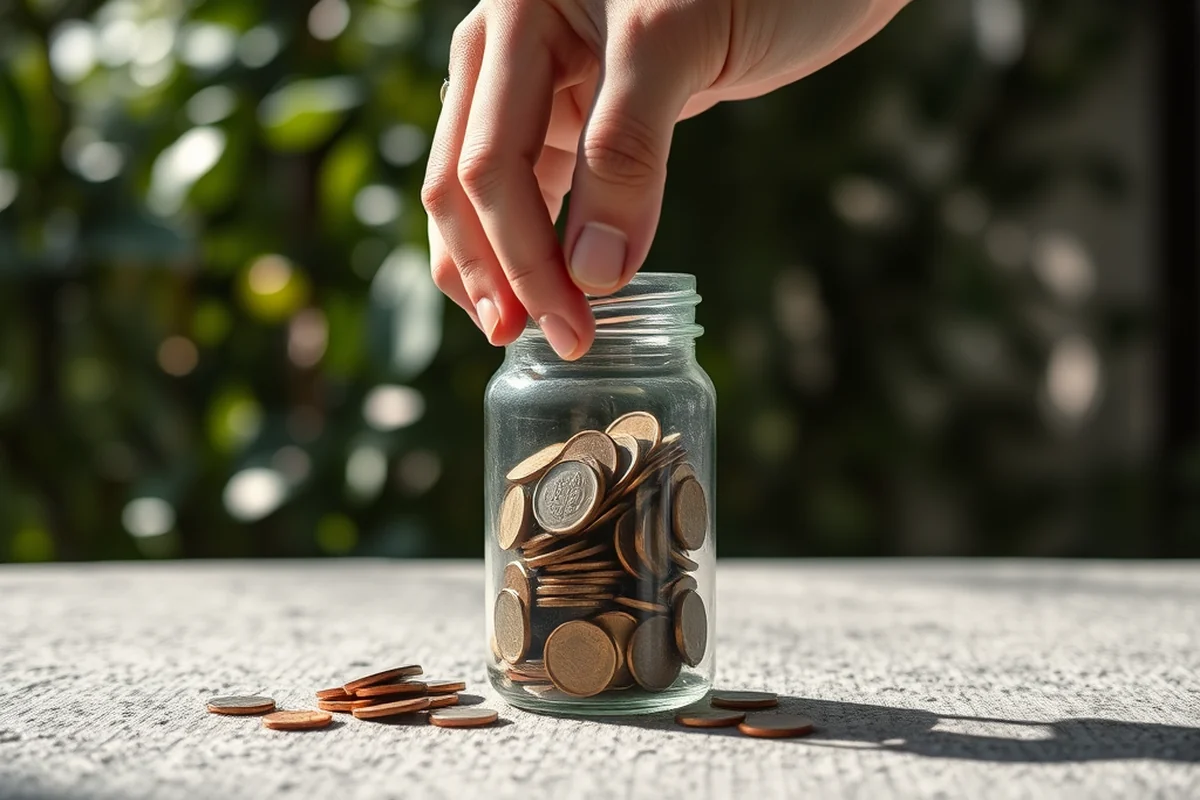
When I bought my first apartment, the price on the listing seemed reasonable. But after moving in, I found out that the monthly maintenance fees, property taxes, and other hidden charges added up to almost 20% of the rent. That's a huge difference.[4]
Hidden costs can be found in almost every purchase. Whether it's a car, a subscription service, or even a meal at a restaurant, there are often additional charges that aren't immediately obvious.
By learning to look for these hidden costs, you can avoid unexpected expenses and make more informed financial decisions.
Every price has a story—sometimes it's not the one you see on the label.
Related: For consumer price index
How Prices Are Set: The Supply Chain Mystery
The price of a smartphone isn't just the cost of the phone itself. It also includes the cost of manufacturing, transportation, taxes, and profit margins for each company involved in the supply chain.
I once looked up the cost of producing a basic phone and was surprised to find that the actual cost was only a fraction of what it sold for in stores. That difference is where the profits are made.
Understanding the supply chain helps you see how prices are formed and where the real value lies in the products you buy.
Before making a big purchase, look up the breakdown of costs involved. This can help you spot where the money is going and whether the price is justified.
“I remember the first time I walked into a supermarket with a shopping list in hand, only to feel overwhelmed by the sheer number of…”— Investing for Young Professionals editors
Related: What is the price of gold and silver
The Role of Time in Pricing

I learned the hard way that buying things at the last minute can be more expensive. When I rushed to buy a new laptop before a deadline, I ended up paying almost $300 more than if I had waited a few weeks.
Prices can fluctuate based on timing. For example, airlines and hotels often raise prices when demand is high and lower them when demand is low. Knowing this can help you save money on travel expenses.
By understanding how time affects pricing, you can make smarter purchasing decisions and avoid paying more than you need to.
Related: S p 500 futures
How Branding Affects Price Perception
I used to think that branded products were always more expensive, but I discovered that some brands charge a premium not just for quality, but for the image they project. This is especially true in fashion and technology.
A study I came across showed that people are often willing to pay more for a product simply because it has a well-known brand name, even if the product is identical to a cheaper alternative.
Understanding how branding affects pricing can help you decide whether you're buying quality or just paying for a name.
Related: How to price bitcoin
The Power of Comparison Shopping
I used to buy the same brand of cereal every week until I started comparing prices at different stores. I was shocked to find that one store sold it for almost $2 less than another.
Comparison shopping can save you hundreds of dollars a year. Whether it's groceries, electronics, or even online services, knowing where to find the best prices is a game-changer.
By making it a habit to compare prices, you can significantly reduce your expenses and get more value for your money.
The best deals are often found by looking beyond the first store you see.
Related: The gold price chart
Understanding Long-Term Pricing Trends
I started tracking the prices of everyday items like milk, bread, and gasoline over the years, and it became clear that prices can rise or fall depending on the economy. This helped me plan my budget more effectively.
Long-term pricing trends can give you insight into how the economy is doing and when it might be a good time to buy or invest. For example, I noticed that car prices tend to drop after major recalls or when new models are released.
By paying attention to these trends, you can make more informed decisions about when to buy big-ticket items and how to save money over time.
The Hidden Financial Burden of Subscription Services
Many young professionals underestimate the financial impact of subscription services. I once discovered that I was paying over $150 a month for streaming services, fitness apps, and online courses—none of which I used regularly. This is a common issue: a 2022 survey by Bankrate found that 43% of Americans have unused subscriptions. The key is to regularly audit your subscriptions and cancel those you don't actively use. I personally canceled five subscriptions and saved $120 a month, which I redirected toward an emergency fund.
To avoid falling into the trap of subscription overload, it's essential to set up a budget category specifically for subscriptions. I allocate $50 per month for these expenses and only sign up for new services if they fit within that limit. This has prevented me from overspending on services I rarely use. Another helpful step is to use tools like ‘Truebill’ or ‘Trim,’ which automatically identify and cancel unused subscriptions for you. These apps have helped many users save hundreds of dollars annually.
Being intentional about subscriptions also means evaluating their value. For example, I once used a free trial of a premium fitness app and found that I didn't need the extra features. By switching to a free version, I saved $10 a month. This shows that small changes can lead to significant savings over time. Taking control of your subscriptions is a simple but effective way to manage your finances and avoid unnecessary spending.
The Impact of Inflation on Everyday Prices
Inflation is like a silent tax on your wallet. For example, between 2010 and 2022, the average price of a loaf of bread in the US increased by 45%, while wages only grew by about 18%. This means that even if your salary has increased, the purchasing power of your money has decreased. Inflation doesn’t just affect big-ticket items; it impacts everyday essentials like groceries and transportation. Understanding how inflation works can help you make better financial decisions, such as investing in assets that tend to outpace inflation, like stocks or real estate.
When you see prices rise, it's not always due to inflation alone. Sometimes it's due to supply chain disruptions, increased production costs, or changes in consumer demand. For instance, during the pandemic, the price of a gallon of milk increased by over 30% in some regions due to supply chain issues. This highlights the importance of monitoring long-term trends rather than short-term fluctuations. Being aware of how inflation and other economic factors influence prices can help you budget more effectively and avoid unnecessary debt.
One practical step you can take is to track your monthly expenses and compare them to the previous year. If you notice a consistent increase in the cost of items you buy regularly, it could be a sign of inflation. You can also consider using inflation-protected investments, such as Treasury Inflation-Protected Securities (TIPS), which adjust their principal based on changes in the Consumer Price Index (CPI). These strategies can help you maintain your purchasing power over time and reduce the impact of rising prices on your financial stability.
💰 Budget-Friendly Shopping
Learn how to find the best deals without sacrificing quality. This is ideal for those on a tight budget.
📈 Aggressive Payoff Strategy
For those who want to pay off debts quickly, this strategy focuses on high-interest debts first and maximizing savings.
💸 Irregular Income Management
This plan is perfect for people with fluctuating incomes. It helps you manage expenses and savings in unpredictable times.
👫 Couples' Financial Planning
This variation helps couples align their financial goals and manage shared expenses effectively.
📚 Beginner's Guide to Budgeting
A simplified approach for those just starting to understand personal finance and how to track their spending.
| The mistake | Why it happens | The fix |
|---|---|---|
| Not comparing prices | It can lead to overpaying for products and services that are available for less elsewhere. | Make it a habit to check multiple stores or online retailers before making a purchase. |
| Ignoring hidden costs | These can add up quickly and cause unexpected financial strain. | Always read the terms and conditions, and look for any additional fees or charges that may be included in the price. |
| Buying based on brand alone | This can lead to paying more for a product that may not be any better in quality or performance. | Compare products across different brands and read customer reviews to determine the best value for your money. |
| Not tracking long-term pricing trends | This can lead to poor financial decisions, such as buying expensive items at the wrong time. | Use online tools or apps that track price changes over time to help you make more informed purchasing decisions. |
What Is Prices
Common Questions
How can I tell if a product's price is fair?
Why do some products cost more even if they're the same?
Is it worth paying more for a branded product?
How can I save money on everyday purchases?
References
Cite this guide
Investing for Young Professionals (2026). What Is Prices. https://investdecade.com/what-is-prices/
Feel free to cite or share this guide.